
CCNC Welcome
  • Welcome
  • Adult Conservation Crews
    • Before Service >
      • FAQs
      • Wellness in the Field
      • Gear Lists >
        • Backcountry Camping Crews
        • Frontcountry Camping Crews
        • Day Crews (Non-Camping)
        • Chainsaw Crews
    • During Service >
      • Employee Assistance Program
      • Payroll
      • Leave No Trace
      • AmeriCorps Benefits
      • Off Hitch >
        • Places to Stay
        • Things to Do
  • Youth Conservation Crews
    • Before Service >
      • Gear List (Camping Crews)
      • Gear List (Day Crews)
      • FAQs
      • Hygiene in the Field
    • During Service >
      • Employee Assistance Program
      • Leave No Trace
      • Payroll
  • Directions
  • Welcome
  • Adult Conservation Crews
    • Before Service >
      • FAQs
      • Wellness in the Field
      • Gear Lists >
        • Backcountry Camping Crews
        • Frontcountry Camping Crews
        • Day Crews (Non-Camping)
        • Chainsaw Crews
    • During Service >
      • Employee Assistance Program
      • Payroll
      • Leave No Trace
      • AmeriCorps Benefits
      • Off Hitch >
        • Places to Stay
        • Things to Do
  • Youth Conservation Crews
    • Before Service >
      • Gear List (Camping Crews)
      • Gear List (Day Crews)
      • FAQs
      • Hygiene in the Field
    • During Service >
      • Employee Assistance Program
      • Leave No Trace
      • Payroll
  • Directions

Wellness in the field

While parts of this page pertain more to backcountry camping, a lot of the information provided below is applicable to both backcountry and front country hitches. Backcountry means you are camping away from a vehicle and farther from developed areas. Front country means you are camping in a designated campsite, typically with access to a restroom. However, even if you are camping in a front country location, you may not have access to a restroom during the workday. We recommend you plan accordingly!

Washing Your Hands

Especially after going to the bathroom and before cooking and eating meals! Hand sanitizer is useful, but you should actually wash your hands with soap and water at least once a day. There should be a hand washing station set up at camp.

Pooping in the Woods

  • Find a spot 200 steps away from any water source, camp, or trail
  • Use a tool to dig a hole 6-8” deep and 4-6” wide (about the size of a 1L Nalgene bottle)
  • Bury and cover everything well afterwards
  • Do not bury anything except toilet paper (and TP in certain areas), otherwise, pack everything out

Bathing in the Backcountry

If there’s a body of water nearby, you can use it to bathe. If you do so, please wipe yourself prior to getting in the water. Bug spray and sunscreen can contaminate the water, harming fish populations and affecting their ecosystem. Wiping yourself beforehand can avoid this. If there’s no water source nearby, we recommend you take a sponge bath with a wet wipe.

Taking Care of Your Feet

Your feet spend all day in a dark, warm, damp environment, which is an ideal breeding ground for bacteria. To prevent infections, take off your boots after the workday to let them air out (if you put your socks in your boots, they will not air out). We highly recommend bringing breathable camp shoes and multiple pairs of wool socks to help avoid foot issues. If you notice any blisters or hot spots (an area that is warm to the touch and irritated but not quite a blister), tell your crew leader and get them taken care of immediately!

Staying Hydrated

Don’t forget to drink water! It is easy to let yourself get dehydrated, especially on your first hitch. Instead of chugging water infrequently, drink small sips more often. As important as hydrating throughout the day is, pre-hydrating in the morning and re-hydrating in the evenings is just as crucial. Your food cache will have electrolyte drink mix in it. Take advantage of this in the evenings after you sweated out many of your valuable salts and sugars. If you feel severely dehydrated (extreme headache and/or dizziness), let a crew leader know. All medical kits are equipped with extreme electrolyte replenishments. 

Urinary and Menstrual Hygiene

  • Wear breathable underwear and change your underwear daily. Cotton underwear is not recommended because it tends to trap heat and moisture.
  • Don’t hold in your pee! This can lead to a UTI.
  • Don’t use a wet wipe after peeing. The wet wipe can kill good bacteria and lead to a UTI. We recommend using toilet paper or a pee rag, which is a piece of cloth you use to wipe then tie outside your pack. Although this sounds unsanitary at first, the sun’s ultraviolet rays act as a disinfectant, making a pee rag the most recommended method to use. You are more than welcome to look into urination funnels.
  • If you don’t wipe at all, you run the risk of getting a yeast infection.
  • Consider your options when it comes to your period. We recommend that you bring your period products with you even if you are not expecting your period on a particular hitch, as you will be in a new and different situation and your normal cycle may be disrupted.
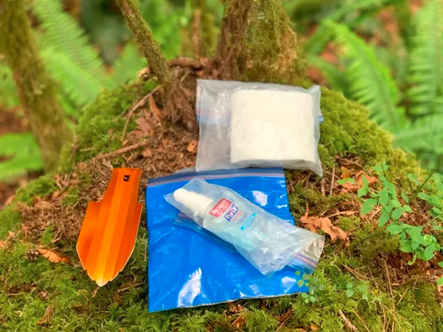
    • Disposable products have faster changing times and might be less messy, but you have to change them more often and you cannot bury them, you have to pack everything out. We recommend you bring two bags, one with enough products for the hitch (plus a few extra) and another to store the used products and packaging (these products are not biodegradable). You may want to wrap your "pack-it-out" bag in duct tape, so it is opaque. You can add some baking soda, coffee grounds, or a tea bag to reduce odor.
    • Pads are not highly recommended, as you will be moving around and getting sweaty on hitch, which may lead to discomfort or chafing when using a pad. If this is the method you are most comfortable with, be sure to keep yourself as clean as possible, and consider bringing an anti-chafing product just in case.
    • Tampons can be very easy to use. For use in the field, we recommend the kind without an applicator, since they create less waste that would need to be packed out other than the tampons themselves.
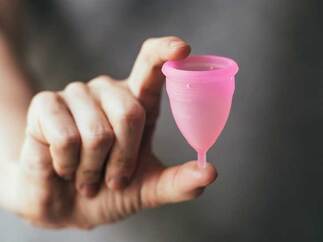
    • Menstrual cups are eco-friendly, you don’t have to pack anything out, and you don’t have to change them as often (they can stay in for up to 12 hours), but it takes more time when you do change them, it takes practice to get the seal correct, and it can be a little messy. We recommend you use a menstrual cup for at least one period at home before using it on hitch. Menstrual cups can be cleaned by boiling or using hot soapy water. You may want to bring a small cup or bowl for this purpose.
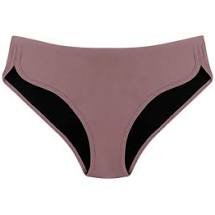
    • Period underwear is becoming more popular and may be helpful on hitch. We recommend bringing several pairs so that you can wash them and have enough even if it's a rainy day and they aren't drying quickly. Like we mentioned for menstrual cups, you may want a designated cup or bowl for washing your period underwear. Depending on your flow, period underwear may not be sufficient to get you through a full workday, so you may want to use them as more of a backup to your preferred period product. Since it's super absorbent, depending on the brand and style, it may cause chafing as you work hard and get sweaty - consider getting a style that's meant for sports or bringing an anti-chafing product.
  • Please feel free to ask our staff and crew leaders about their methods, especially if it’s your first extended time or period in the woods. We’ve been there and want you to be as comfortable as possible!
  • Please feel free to ask staff and crew leaders about their methods, especially if it’s your first extended time or period in the woods. We’ve all been there and want you to be as comfortable as possible!
Picture
This is an example of a pee cloth! This one is from Kula Cloth.
Picture
This is a great example of a waste kit. Notice that the disposal bag is wrapped in duct tape.
Picture
Example of a menstrual cup
Picture
Example of period underwear. These are thinx!

Poison Ivy

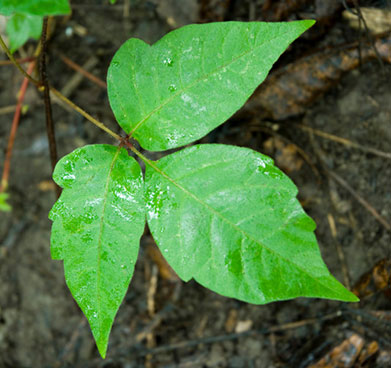
“Leaves of three, let it be.” Poison ivy has a stem with two smaller leaves shooting off the sides and a larger leaf at the end. The leaves can be smooth or notched on the edges, but they all have pointed tips. The leaves are reddish in the spring, green in summer, and yellow or orange in the fall, and might have a waxy appearance. When poison ivy is touched, especially if the stems are broken, the oils in the plant are transferred. These oils are what irritates the skin. 
​Your pants, your shirt, and your gloves are your first line of defense from contact with poison ivy. Do not touch your gloves to your face or eat with your gloves on. When you get back to camp at the end of the day, we recommend you use your gloves to untie and remove your boots, then carefully remove your gloves and change out of your work clothes. Keep in mind that the oils can remain in your clothes, so keep them separate from your other gear. Once you’ve changed, wash from your elbow down with soap and water right away. If you get a poison ivy rash, let a crew leader know. All med kits are equipped with Tecnu, a poison ivy scrub designed to wash away the rash-causing oil from your skin.
Picture

Ticks

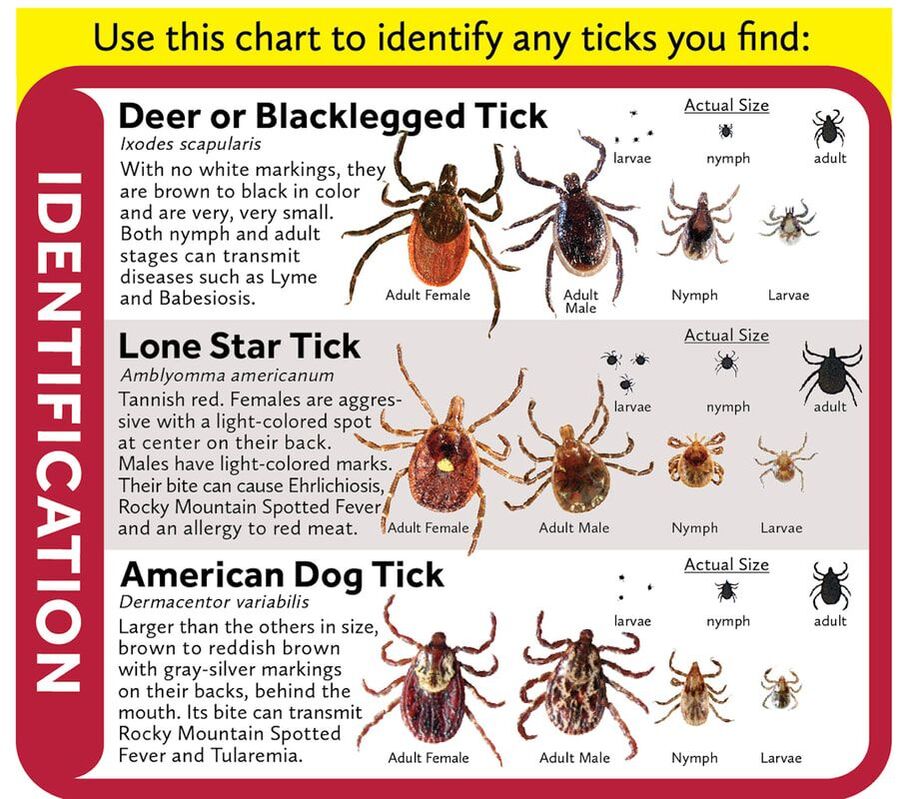
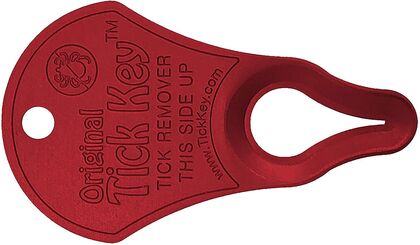
Ticks are small bugs that feed on blood and can carry diseases. They have a flat, oval-shaped body and eight legs. Check your whole body for ticks daily (you might want to bring a small mirror for this purpose). Ticks tend to bite in warm areas but checking your whole body is very important. If you have a tick bite, let a crew leader know. Remove any ticks with tweezers, or a tick key.
  • Daily tick checks are essential! Get a friend to check your back, strip down entirely to check yourself, and bring a small mirror to check hard-to-see areas. Make sure to check your hair too!
  • Treat your clothes with permethrin. We will make this available to you during training, but you are welcome to treat your work clothes (pants, socks, gaiters, boots) in advance.
    • Don't spray permethrin directly on yourself - it is only meant for treating clothing and can be an irritant when wet (once it has dried, re-wetting isn't a problem; it bonds with the fabric!)
    • ​Read and follow all directions for applying permethrin!​
  • Tuck your pants legs into your socks. This makes your socks act like gaiters, keeping ticks out of your pants.
  • Use bug spray, particularly on ankles, wrists, waistline, and neckline - anywhere that ticks could get into your clothes.
  • Bug sprays containing DEET may reduce the effectiveness of your sunscreen, be aware and reapply sunscreen as needed.

Ticks can be removed with tweezers or a tick key. All CCNC first aid kits have tweezers for this purpose. It is important to grasp the tick as close to the skin as possible and to make sure you remove the head. Your crew leader can help you; we've all been there so please don't feel embarrassed asking for help removing a tick!
​

If you become ill, particularly if you develop flu-like symptoms, tell your doctor that you have been working outdoors in tick habitat, even if you have not noticed any tick bites - your doctor will likely want to test for Lyme Disease or other tick-borne illnesses, which are generally easy to treat if identified early.
Picture
Picture

Mental Wellness

Self-Care
Self-care is the practice of taking an active role in protecting one's own well-being and happiness, particularly during periods of stress. Self-care can be broken down in many ways, but some helpful distinctions are listed below, along with some factors that can affect each one:
  • Physical - Basic or Functioning needs
    • Sleep
    • Nutrition
    • Movement
    • Fresh Air
    • Hygiene
  • Social - Interpersonal or Relationship needs
    • Social Time
    • Alone Time
    • Connection to Peers
    • Connection to Home
    • Connection to Place/Community
  • Mental - Emotional or Intellectual needs
    • Self-Expression (journaling, art, music, etc.)
    • Learning & Inspiration
    • Experiencing Mastery
    • Connection to Purpose
    • Gratitude
  • Spiritual - Soothing needs
    • Breathing Exercises
    • Meditation
    • Yoga
    • Self-Reflection
    • Grounding/Mindfulness Exercises
​Physical Factors

​Challenges you may encounter in the field:
  • Different sleep schedule
  • Sore muscles
  • Establishing new hygiene habits


​​Potential ways to mitigate these challenges:
  • Listen to your body - take breaks & stretch often
  • Let your sleep schedule adjust - be patient and talk to your leaders if you're having trouble
  • Keep yourself clean - this can impact mental health
  • Drink extra water - you need more than you may think!
​Social Factors

Challenges you may encounter in the field:
  • New social group
  • Disconnect from home & family
  • Immersion in group - always being around the same people during work and camping​​​
Mental Factors

Challenges you may encounter in the field:
  • Disruption of habits and routines
  • Increased stress in new situations
​
Spiritual Factors

Challenges you may encounter in the field:
  • Anxiety in new situations
  • Separation from faith community


Potential ways to mitigate these challenges:
  • Take alone time when you can - usually after work
  • Talk to family and friends before you go - let them know you may be out of cell service so they won't worry
  • Give CCNC staff's contact info to your family so they know who to contact in case of emergency

​
Potential ways to mitigate these challenges:
  • Start or continue self-expression (journaling, music, etc.)
  • Bring a favorite snack for yourself
  • Bring familiar comforts like favorite books or music


Potential ways to mitigate these challenges:
  • Practice grounding/breathing/mindfulness exercises to manage anxiety
  • Take personal time each day for faith activities

Self-Care Brainstorming Questions
Stress:
  • What are some things that stress you out? (These can be pretty broad, e.g. "feeling out of control of a situation" or "feeling inadequate")
  • What are some things that you do to relieve stress?
  • What are some ways that you could adapt these stress relief techniques to the conservation corps environment? 
Challenges:
  • Consider the four self-care categories discussed above. What is one thing in each category that you think will be a challenge for you in this program?
  • What are some ways you could address each of these challenges?
  • Would you need to bring anything into the field with you to enhance your self-care? Make a packing list for a small self-care kit that you could bring with you. (consider things like paperback books, a journal, a meditation app, a favorite snack, etc.) 
Guiding Statement:
  • ​Think about why you joined this program – write a statement to come back to on the tough days that will help remind you why you are doing this and what you will gain from it. 
Powered by Create your own unique website with customizable templates.